
The rise of dine & dash in the UK hospitality sector
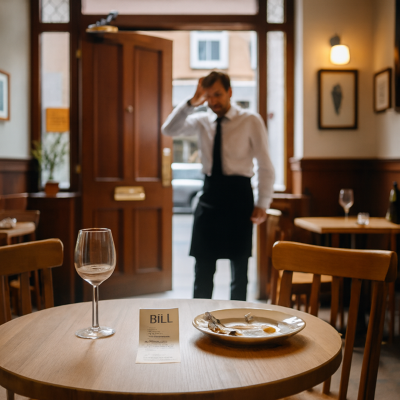
Dine & dash has become an increasingly visible problem for restaurants in the UK, placing additional pressure on an industry already grappling with tight margins, rising costs and ongoing staffing challenges. While the act itself is not new, recent data suggests it is becoming more common, more brazen and more damaging for independent operators in particular.
The combination of economic strain, shifting consumer behaviour and the ease of leaving without paying in busy venues has created a perfect storm for restaurants and pubs across the country.
A growing trend backed by new data
Recent nationwide surveys reveal that dine and dash is far from a rare occurrence. Research conducted with 1,500 UK diners found that 8% openly admit to having left a restaurant without paying their bill. This figure is striking not only because of its scale, but because it reflects a willingness among a notable minority to treat hospitality venues as easy targets. London appears to be the worst affected region, with operators reporting higher levels of walkouts and unpaid tabs.
Another study exploring wider dining habits in the UK uncovered a similar pattern. Nearly 8% of diners surveyed acknowledged that they had walked out without settling their bill, reinforcing the idea that dine and dash is not an isolated or fringe behaviour. These findings sit alongside other worrying trends, such as one in ten people failing to show up for reservations and almost half of diners being put off by restaurants requesting card details to secure bookings.
Together, these behaviours create operational and financial instability for businesses already under pressure.
Why dine & dash is on the rise
Several factors appear to be driving the increase in dine and dash incidents. The cost‑of‑living crisis continues to influence consumer decision‑making, with some diners feeling the financial strain more acutely than ever. Reports suggest that economic pressures have led some individuals to take greater risks, including leaving without paying for meals they can no longer comfortably afford.
Technology has also played a role. While mobile ordering and app‑based payments have streamlined service for many venues, they have simultaneously created opportunities for customers to slip away unnoticed. In busy environments, especially those with reduced staffing levels, it can be difficult for teams to monitor every table or verify that a guest has completed their payment before leaving.
The impact on hospitality businesses
For restaurants, pubs and cafés, dine and dash is more than an inconvenience. Each unpaid bill directly affects profitability, particularly for small independent venues operating on narrow margins. Rising food and labour costs, business rates pressures and increased supplier prices mean that even a single walkout can have a disproportionate impact on weekly takings. In an industry where confidence remains fragile, the cumulative effect of repeated incidents can be significant.
Beyond the financial hit, dine and dash incidents can damage staff morale. Teams may feel demoralised or blamed when walkouts occur, especially during busy shifts when they are already stretched. This adds to the wider challenge of staff retention in a sector where turnover remains high.
How operators are responding
Many venues are now taking proactive steps to reduce the risk of dine and dash. Some are introducing clearer payment processes, such as requesting card details for high‑value bookings or encouraging guests to pay at the point of ordering. Others are investing in staff training to help teams recognise early signs of potential walkouts. While these measures can help, they must be balanced carefully to avoid creating friction in the guest experience.
Technology is also being used more strategically. Modern POS systems, handheld devices and table‑tracking tools can help teams stay aware of which tables have paid and which are still open. However, these solutions require investment at a time when many businesses are already cautious about spending.
A challenge that demands attention
Dine & dash is unlikely to disappear entirely, but the recent rise in incidents highlights the need for continued vigilance and smarter operational strategies. For hospitality operators, the key lies in finding a balance between protecting the business and maintaining a welcoming, guest‑focused environment.
As economic pressures continue and consumer habits evolve, the industry will need to adapt in order to safeguard revenue and support the teams who keep venues running.
While dine & dash may never be fully eliminated, awareness and preparation remain the best defence.
By understanding the motivations behind walkouts and implementing thoughtful safeguards, hospitality businesses can protect their revenue without compromising the warmth and trust that define great service. As the industry continues to evolve, staying alert to behavioural trends will be key to maintaining both profitability and professionalism.